
When you’re planning a special celebration at home—whether it’s a milestone birthday, an anniversary dinner, a holiday gathering, or an executive client evening—one of the first questions is how to handle the food. Most hosts instinctively start searching for "catering," only to realize that traditional catering companies are built for 100-person weddings and corporate buffets, not an intimate table of 8 to 20 guests.
If you’ve ever wondered what actually separates hiring a private chef from booking a caterer—and which model makes the most sense for your event—here is a breakdown of how the two experiences compare.
1. Cooked Fresh in Your Kitchen vs. Reheated from Warmers
Traditional Catering: Because caterers cook in large batches at an off-site commercial kitchen and transport food in insulated hot boxes, dishes have to be designed to sit in chafing dishes without drying out or losing texture.
A Private Chef: With an in-home private chef experience, your kitchen becomes a pop-up fine-dining restaurant for the evening. Dishes are prepped, seared, sauced, and plated à la minute right before they hit the table—meaning crispy skin stays crispy, sauces are glossy, and every course arrives at peak temperature.
2. Bespoke Seasonal Menus vs. Fixed Catering Packages
Traditional Catering: Most catering menus rely on standardized tiers (Tier A, Tier B, two proteins, two sides) that have to be ordered weeks in advance with minimal room for customization.
A Private Chef: At The Unlisted Table, every menu is designed from scratch around the season, local Kentucky ingredients, and the exact tastes of your table. Whether you’re dreaming of a five-course autumn tasting menu, wine-paired small plates, or accommodating specific dietary needs without anyone feeling like an afterthought, the menu is built exclusively for your guests.
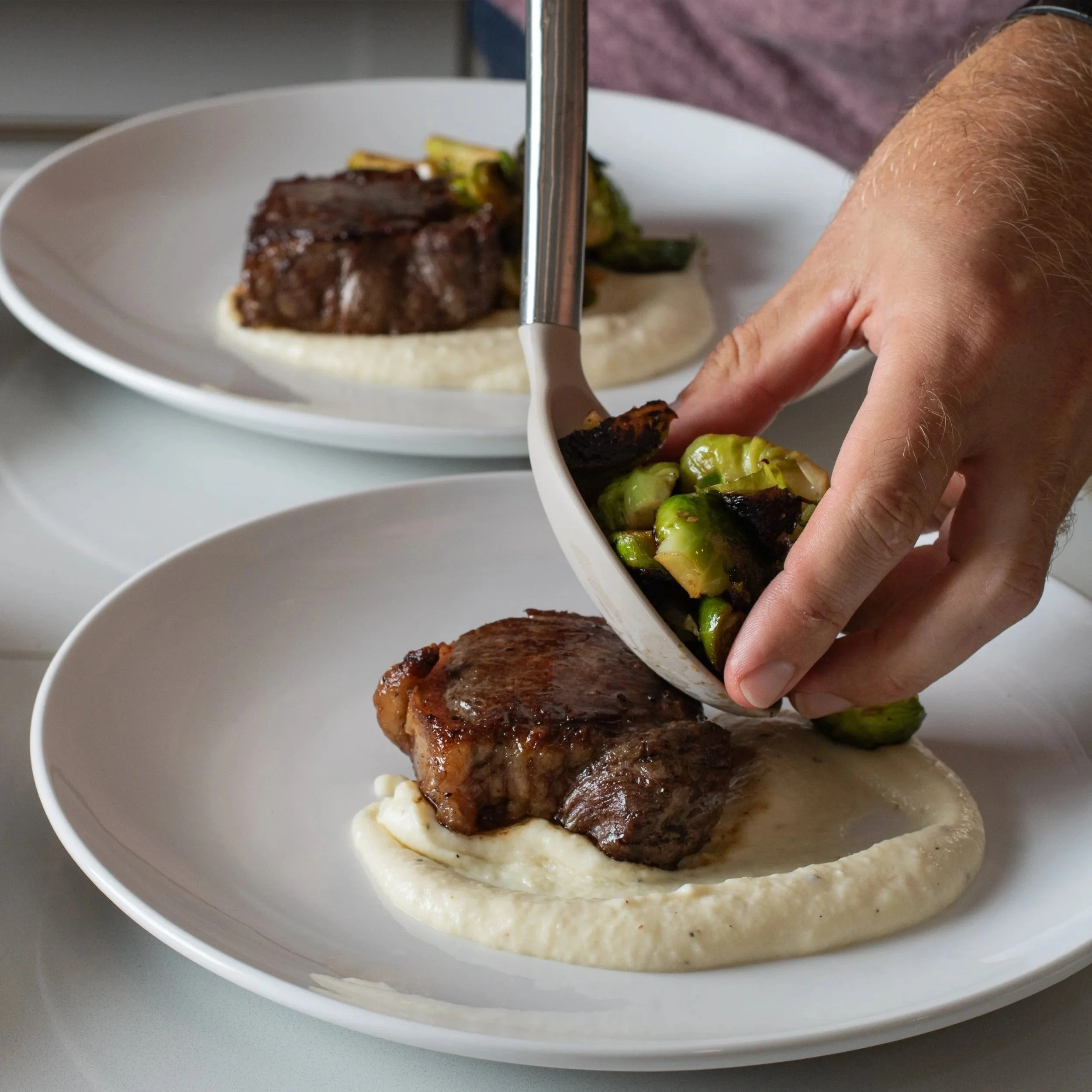
3. Plated Restaurant Hospitality vs. Buffet Logistics
Traditional Catering: Drop-off catering leaves you unwrapping foil pans, setting out serving spoons, and cleaning up a mountain of disposables. Even full-service catering for small groups often feels formal and transactional.
A Private Chef: You get to be a true guest at your own party. From setting the pace of each course to explaining the story behind the ingredients and leaving your kitchen spotless at the end of the night, the experience is warm, unhurried, and deeply personal.
4. Built for Intimate Groups (Up to 20 Guests)
Traditional Catering: Many full-service caterers have steep guest minimums or high delivery fees that penalize smaller gatherings.
A Private Chef: Private dining shines when the guest list is intimate—typically anywhere from an anniversary dinner for two up to a seated multi-course dinner for 20. Every plate gets individual chef-level attention that simply isn't possible at a 150-person banquet.
Quick Comparison: At a Glance
| Feature | Traditional Catering | The Unlisted Table (Private Chef) |
|---|---|---|
| Ideal Guest Count | 30 to 200+ guests | Intimate groups up to 20 guests |
| Where Food Is Cooked | Off-site commissary kitchen | Freshly prepared & plated in your home |
| Menu Design | Set package tiers | 100% custom, seasonal & tailored |
| Service Style | Buffet, drop-off, or banquet | Coursed, plated restaurant hospitality |
| Cleanup | Often left to the host | Kitchen left like we were never there |
Which One Should You Choose?
Choose a traditional caterer if you are hosting a large open-house party, wedding reception, or casual backyard event for 40+ people where grazing stations or buffets keep things moving.
Choose a private chef if you are gathering up to 20 people around a table and want an unforgettable, restaurant-caliber meal without leaving the comfort of home—or lifting a finger in the kitchen.
Ready to Plan an Unforgettable Evening in Lexington?
Whether you’re celebrating a milestone, hosting out-of-town guests, or looking for a thoughtful gift experience, we would love to design a custom menu for your table.